Buying a resort condo: what lenders look at
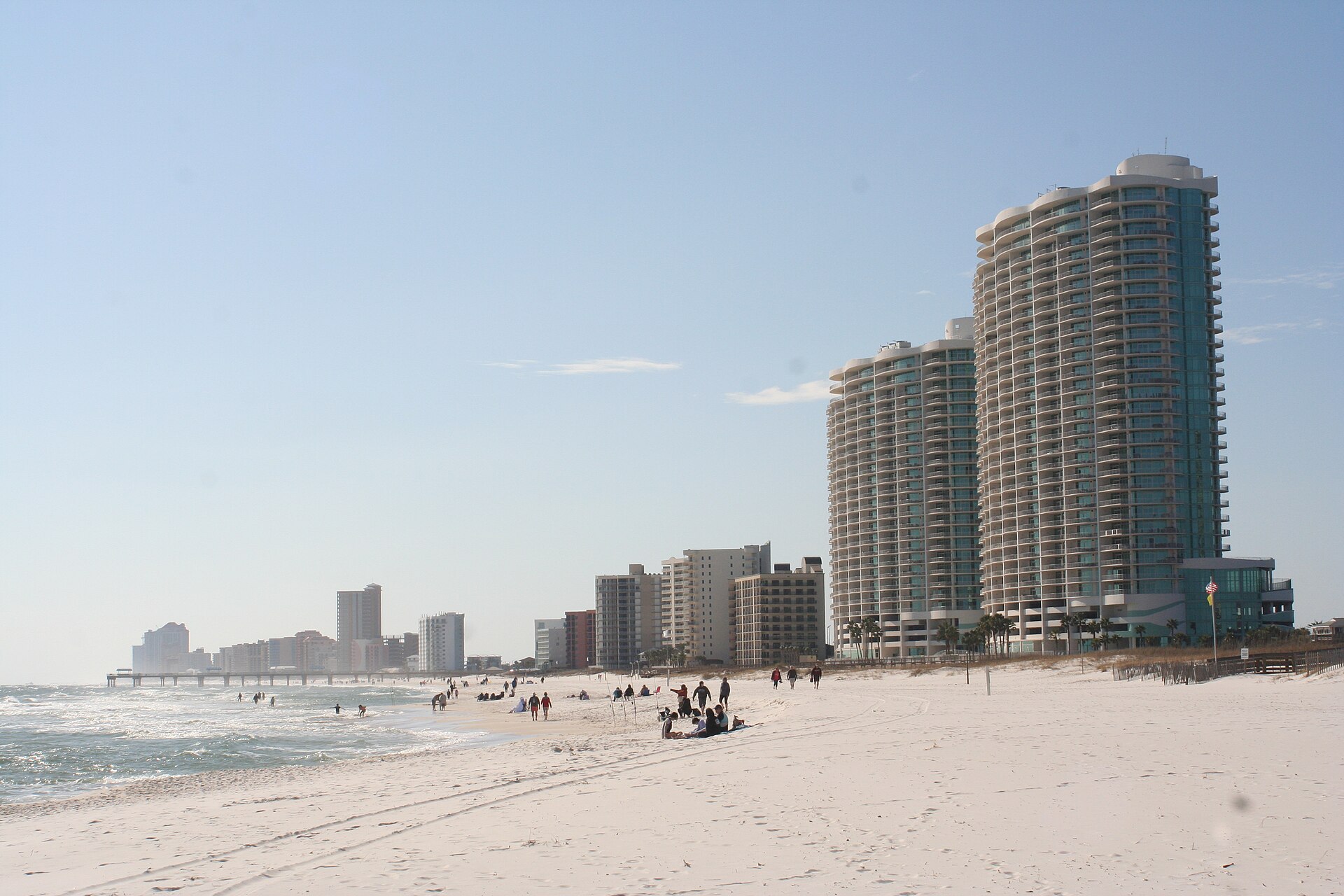
A condo in a resort town can be a great way to own near the slopes, the beach or the lake. It also has one step a house doesn’t: along with you, the lender reviews the building. That review is routine, and knowing what it looks at helps you pick a condo that finances smoothly and avoid surprises late in the process.
This guide explains in plain English what lenders look at in a condo, in the order it usually comes up. It is general education, and every lender and loan program is a little different.
Condos only. Condo project review applies to condominiums. Townhomes and single-family homes, including cabins and beach houses that aren’t part of a condominium, generally aren’t subject to it. They may still sit in an HOA, and the loan is based on you and the home.
The short version
- With a condo, the lender approves you and the building.
- A “warrantable” condo meets Fannie Mae and Freddie Mac standards, which usually means the most loan options. A “non-warrantable” one can still be financed with the right program.
- Lenders look at the building’s reserves, special assessments, insurance, ownership mix, litigation and how much of it is rented short term.
- Condo-hotels and rental-pool buildings are reviewed differently than residential condos.
- Asking about these items early makes a condo purchase smoother.
Warrantable and non-warrantable condos
Most conventional loans are sold to Fannie Mae or Freddie Mac, and those agencies set standards for the condo project. A building that meets them is called warrantable. One that doesn’t is non-warrantable.
Non-warrantable doesn’t mean a bad building. It can mean something as simple as a developer still holding units, an active lawsuit, or a rental program. It means the loan comes from a lender or program that doesn’t follow the conventional condo standards, so the options and terms can be different. Our guide to non-warrantable condo financing goes deeper.
The condo questionnaire and project review
Early in the loan, the lender sends the association (or its management company) a condo questionnaire. It collects the facts the lender needs about the building:
- How many units there are, how many are owner-occupied and how many are rented.
- The association’s budget, reserves and any planned or recent special assessments.
- Whether any one owner holds a large share of the units.
- Pending litigation and any rental or hotel-style operations.
- The master insurance coverage.
Some projects qualify for a streamlined review, and others need a fuller one. Associations can take a while to return the questionnaire, so it helps to start it as soon as you’re under contract, or before, when the building is a candidate.
Reserves and special assessments
Reserves are the money an association sets aside for big repairs like roofs, elevators and balconies. Lenders check that the budget sets aside a healthy amount each year. For conventional loans that use Fannie Mae’s Full Review, the minimum reserve allocation is rising from 10% to 15% of annual budgeted assessment income for loan applications dated January 4, 2027 or later, and Freddie Mac has announced a matching change.
A special assessment is a one-time charge to owners for a large repair. Lenders look at whether one is planned or recent, because it affects both the building’s finances and your costs as an owner. Buildings with well-funded reserves tend to have fewer special assessments, which is one reason the budget is worth reading.
Insurance on the building
The association carries a master insurance policy for the building, and you carry your own unit-owner policy (HO-6). Lenders check that the master policy is adequate. Fannie Mae now caps the per-unit deductible on a master policy at $50,000 for loan applications dated on or after July 1, 2026.
Single-entity ownership
If one person, company or developer owns a large share of the units, lenders see more risk, since the building depends on that owner paying dues and staying put. Limits apply to how much one entity can own, and they matter most in smaller buildings and new projects where a developer still holds units.
Litigation
Lenders ask whether the association is in a lawsuit. Routine matters, such as an insurance claim, may not be an issue. Larger ones, like a construction defect case, can make a building non-warrantable until they’re resolved. Your lender can tell you how a specific case is treated.
Rental pools, condo-hotels and short-term rentals
Resort condos are often rented to guests, and lenders look at how. A building that runs like a hotel, with a front desk, a mandatory rental pool or a rental management agreement that owners must join, is generally treated as a condo-hotel (condotel), and those usually need non-conventional financing. A residential condo where some owners rent nightly is different, but a high share of short-term rentals can still affect the review.
How you plan to use the unit matters too. A second home, an investment property and a full-time rental can each line up with a different loan, so tell your lender your plans up front. The association’s rules on minimum stays and rentals are worth reading early as well, since they decide whether the plan works in that building.
When a condo doesn’t fit conventional guidelines
It happens, and it doesn’t mean the condo is a bad choice. A building can fall outside conventional guidelines for reasons such as thin reserves, a large special assessment, pending litigation, one owner holding many units, a high share of short-term rentals, or condo-hotel and rental-pool features. There is a clear path forward, and CrossCountry Mortgage (CCM) has financing outside conventional guidelines designed for these buildings. That is a real strength of ours.
- We review the building early. We start with the condo questionnaire, the association’s budget and reserves, and the master insurance, so you know where the building stands before you are under contract.
- If it is non-warrantable or a condo-hotel, we move to non-conventional condo financing. CCM’s programs outside conventional financing are built for these buildings. Which one fits depends on the building, how you will use the unit and your own profile, so we match it with you rather than quote a one-size-fits-all answer.
- We tell you what we need from the HOA or management, and how long it usually takes. That is typically the questionnaire, the current budget, a reserve study if there is one, the master insurance certificate, the governing documents, and information on any litigation, plus the owner-occupied and rented unit counts. Timing depends mostly on how quickly the association responds, so we ask for these first.
- Book a 15-min call and we map your building. Send us the building and we will tell you how it looks and which path fits.
How Team Aronheim helps
- We look at the building early, from the budget and reserves to insurance, ownership mix, litigation and rental activity, so you know where it stands before you’re under contract.
- We send the condo questionnaire and follow up with the association.
- We match the loan to how you’ll use the home, including non-warrantable condos and second-home or investment purchases.
- We lend nationally through CrossCountry Mortgage and work in resort markets across the country, so we know which buildings tend to need a closer look.
Looking at a specific condo?
Send us the building and we’ll tell you how a lender is likely to see it.
Common questions
Does this apply to townhomes?
Generally no. Condo project review applies to condominiums. Townhomes and single-family homes are usually not reviewed this way, although an HOA can still have its own rules and dues.
What does warrantable mean?
It means the condo project meets Fannie Mae and Freddie Mac standards, so a conventional loan on it can be sold to them. A non-warrantable condo can usually still be financed through another program.
How long does the condo review take?
It depends mostly on how quickly the association returns the questionnaire. Starting early helps.
Can I get a loan on a condo-hotel or rental-pool unit?
Often yes, but usually through a non-conventional program. The terms depend on the building and how you’ll use the unit.
Where can I read about the market I’m looking at?
Our resort market guides cover the areas we work in.
This guide is general education, not legal or tax advice, and it isn’t a commitment to lend. Agency guidelines and lender requirements change and vary by loan program. All loans are subject to credit approval.
Sources: Fannie Mae Lender Letter LL-2026-03 · Freddie Mac Bulletin 2026-C · Fannie Mae: Partnering to streamline the condo mortgage process · Fannie Mae Selling Guide B4-2.2-02: Full Review Process
Hero photo: Orange Beach condo towers by WeaponizingArchitecture, CC BY-SA 4.0, via Wikimedia Commons.
This article is for educational purposes and does not constitute a commitment to lend, an offer of credit, or legal or financial advice. Rates, program guidelines and loan limits are current as of November 19, 2026. All loan scenarios are illustrative composites; individual results depend on credit, income, property and program eligibility. Lender overlays vary. Equal Housing Opportunity.