How to Get the Best Mortgage Rate: 10 Proven Tips
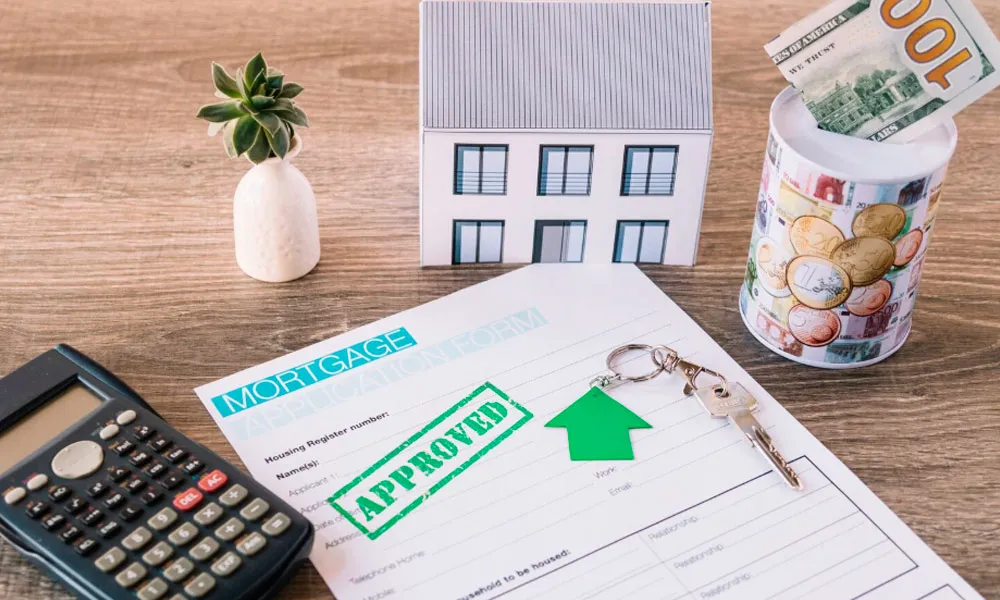
If you ask most buyers what matters most in a mortgage, they’ll say “the rate.” And they’re right — but not for the reasons they think. A difference of just 0.5% in your mortgage rate can change your payment by $120–$250/month per $300,000 loan, or more than $40,000 over 30 years.
I’m Jeff Aronheim, and after structuring hundreds of mortgage scenarios, I can tell you this:
the best mortgage rate isn’t something you find online — it’s something you qualify for and negotiate.
Start With Your Credit — It’s the Foundation
Mortgage pricing is tier-based. Typical pricing tiers look like this:
- 620–639 → highest rates
- 640–679 → moderate improvement
- 680–719 → noticeably better
- 740+ → best available rates
The spread between a 660 score and 740 score can be around 0.5%–1% in rate difference. That’s not theoretical — it’s real money.
Example: A one-percentage-point rate difference on a typical loan can move the payment by a meaningful amount — often in the range of several hundred dollars a month, depending on loan size.
Before applying, I often recommend:
- Reducing credit utilization below 30% (ideally <10%)
- Paying off small revolving debts
- Fixing reporting errors
These moves can improve your rate more than most people expect.
Control Your Debt-to-Income Ratio
Most lenders prefer a DTI below 43%, but better pricing often comes when you’re closer to 36% or lower. Even a small reduction in DTI can:
- Improve your approval strength
- Reduce risk-based pricing adjustments
- Help qualify for better terms
Sometimes paying off a $5,000–$10,000 loan before applying can unlock a lower rate tier.
Choose the Right Loan Structure — Not Just the Lowest Rate
Not all low rates are equal. For example:
- FHA loans may offer lower rates but include MIP (0.45%–0.85% annually)
- Conventional loans may have slightly higher rates but allow PMI removal at 20% equity
👉 Over 5–7 years, conventional can be cheaper — even with a higher rate.
This is why focusing only on “lower mortgage rate” can be misleading. You need to evaluate total cost, not just rate.
Increase Your Down Payment Strategically
Rate improvements often happen at these thresholds:
- 3% → baseline
- 5% → slight improvement
- 10% → noticeable improvement
- 20% → best conventional pricing (no PMI)
However, the difference between 5% and 20% down might only reduce your rate by ~0.125%–0.375%. That’s why I don’t always recommend putting everything into the down payment — liquidity matters.
Timing the Market Matters — But Strategy Matters More
Mortgage rates can move 0.25%–0.75% within months, sometimes even faster. Trying to “wait for the lowest rate” often results in:
- Higher home prices
- Lost buying opportunities
A better approach:
- Lock when the deal makes sense
- Refinance later if rates improve
Shop Smart — Not Blindly
A common mistake is comparing only interest rates. Instead, compare:
- APR (includes fees)
- Discount points (typically 1 point = 1% of loan)
- Lender credits
A rate that is 0.25% lower may cost $3,000–$6,000 more upfront.
Consider Buying Down Your Rate
Buying down your rate can reduce it by ~0.25% per point (varies by market).
Example: Buying down a rate by roughly a quarter point typically costs about 1% of the loan amount and breaks even within 2–3 years for a borrower who stays in the loan that long — ask your loan officer to run your specific breakeven.
If you plan to stay longer than that — it’s a strong move.
Lock Your Rate With Intention
Rate locks usually last:
- 30 days (standard)
- 45–60 days (extended)
Extensions can cost 0.02%–0.05% of loan per day in some cases. A poorly timed lock or delay can cost thousands — this is where guidance matters.
Stabilize Your Financial Profile Before Closing
Between application and closing, lenders re-check your profile. Risk triggers include:
- New credit lines
- Large unexplained deposits
- Employment changes
Even small changes can affect your final terms.
Real Case #1: Credit Optimization Strategy
Client came in with:
- Credit score: 682
- Loan amount: $420,000
We delayed application by 30 days and:
- Paid down credit cards
- Reduced utilization from 58% → 18%
Result:
- New score: 721
- Rate improvement: roughly half a percentage point — a meaningful reduction in both monthly payment and total interest paid over the life of the loan
Real Case #2: Structure Over Rate
Borrower was choosing between:
- FHA: 5.75% + MIP
- Conventional: 6.125% + PMI (removable)
We chose conventional.
Outcome over 5 years:
- PMI removed
- Lower total cost by ~$18,000
👉 Higher rate — but better strategy.
Work With Someone Who Knows How to Structure the Deal
Two identical borrowers can receive different rates based on:
- Loan structure
- Timing
- Lender selection
“Getting the best mortgage rate isn’t about chasing numbers — it’s about understanding how to position your application.”
If you’re searching for how to get best mortgage rate or ways to lower mortgage rate, remember:
The biggest wins come from:
- Credit optimization
- Smart loan selection
- Strategic decision-making
Not from guessing the market. If you want clarity instead of guesswork, reach out to Jeff Aronheim.
This article is for educational purposes and does not constitute a commitment to lend, an offer of credit, or legal or financial advice. Rates, program guidelines and loan limits are current as of May 20, 2026. All loan scenarios are illustrative composites; individual results depend on credit, income, property and program eligibility. Lender overlays vary. Equal Housing Opportunity.